You just received a manufacturing quote for your new custom packaging. The price per box looks fantastic, well within your budget. But fast-forward two months: the boxes arrive at your warehouse, you tally up the final invoices, and suddenly, that $0.50 box actually cost you $0.85.
What happened? You didn't account for Landed Cost.
When brands source packaging globally, the initial manufacturing quote is only one piece of the puzzle. Failing to understand the total landed cost can completely wipe out your profit margins.
At Printline, we believe in radical transparency. We want our clients to understand exactly what they are paying for from the factory floor to their warehouse door. In this guide, we break down what actually goes into your landed cost, the critical differences in freight sizing, and how you can optimize your orders to save money.
- Landed Cost is the total price of a product once it has arrived at your buyer's door, including production, freight, customs, insurance, and local delivery.
- Economies of Scale: Ordering higher volumes significantly lowers your per-unit manufacturing cost.
- LCL vs. FCL: Shipping Less than Container Load (LCL) incurs heavy port and handling fees, making it much more expensive per unit than shipping Full Container Load (FCL).
- Hidden Fees: Always budget for destination charges, customs clearance, duties, and final-mile transportation.
What is Landed Cost?
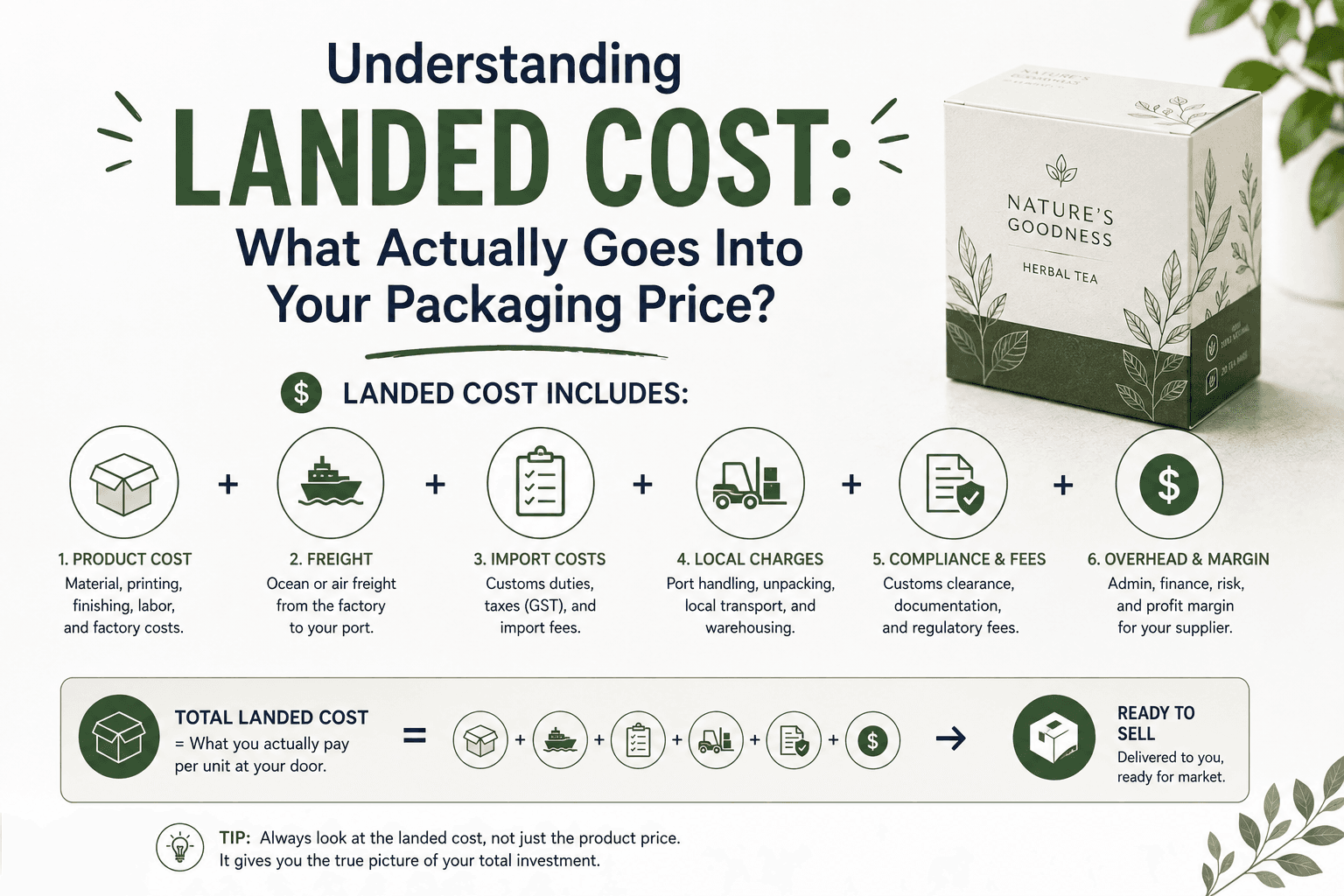
Simply put, landed cost is the absolute bottom-line cost of getting your packaging from our printing press into your hands.
The formula generally looks like this: Landed Cost = Cost of Production + Global Freight + Customs & Duties + Insurance + Local Transportation
Let's break down each of these components so you know exactly where your budget is going.
1. Cost of Production (And Why Volume Matters)
The first component of your landed cost is the actual manufacturing price of the packaging itself. This includes raw materials (paperboard, inks, glues), printing, cutting, and gluing.
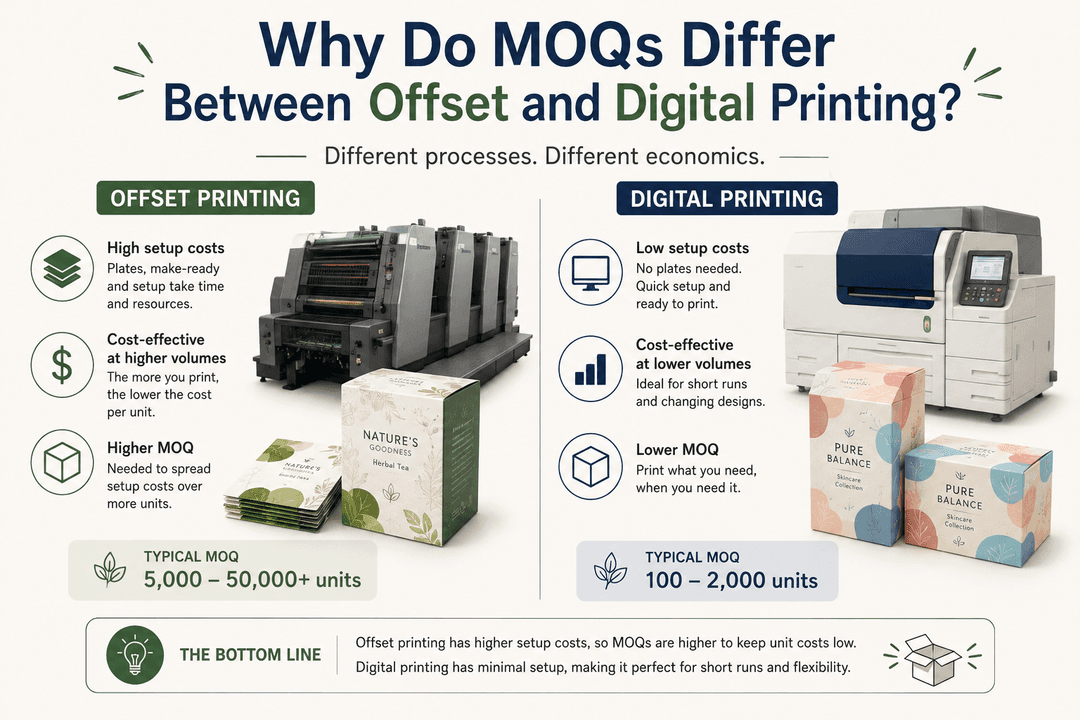
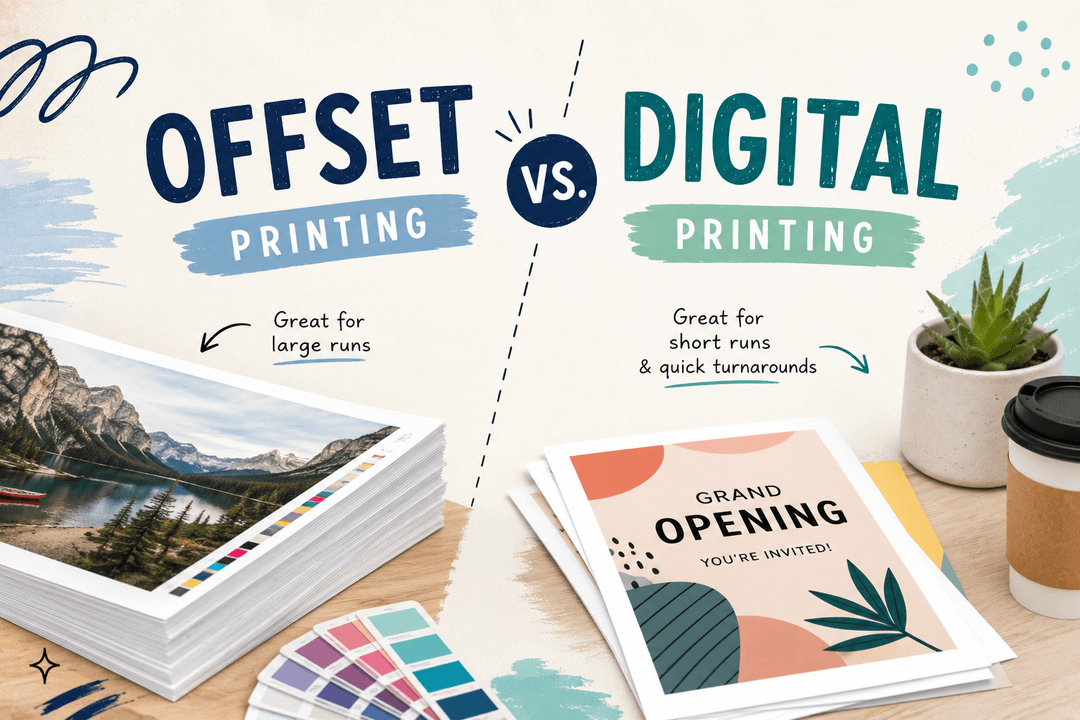
Because Printline utilizes high-end offset printing, the golden rule of production applies: the higher your volume, the lower your per-unit cost.
Setting up an offset press requires a fixed amount of time, labor, and custom metal printing plates. Whether you print 2,000 boxes or 20,000 boxes, that initial setup cost remains the same. Therefore, scaling up your order volume allows you to spread that fixed setup cost across more units, drastically reducing your price per box.
2. Global Freight: The LCL vs. FCL Dilemma
Once your packaging is manufactured and palletized, it needs to cross the ocean. Ocean freight is where many brands experience unexpected sticker shock, primarily due to how they choose to ship.
When shipping by sea, you have two options: LCL or FCL.
LCL (Less than Container Load)
If your packaging order is relatively small and won't fill a standard 20-foot or 40-foot shipping container, it will ship LCL. This means your pallets will share a container with goods from other companies.
- The Catch: While LCL seems cheaper because you are only paying for the space you use, LCL costs scale much higher on a per-unit basis.
- The Hidden Costs: Sharing a container requires third-party logistics companies to consolidate the goods at the origin port, and then de-consolidate (unpack and separate) them at the destination port. These consolidation/deconsolidation fees, combined with extra warehouse handling charges, make LCL freight heavily penalized.
FCL (Full Container Load)
With FCL, you rent the entire shipping container exclusively for your packaging.
- The Advantage: FCL is charged as a flat rate. Because the container goes directly from our factory, onto the ship, and straight to your warehouse without needing to be unpacked at the port, you bypass all the expensive deconsolidation fees.
- The Sweet Spot: Even if your packaging only fills a container to 70% capacity, it is often cheaper to pay for an FCL shipment than to pay the massive handling fees associated with LCL. Upgrading your packaging volume to fill a container is one of the smartest ways to drastically lower your landed cost.
3. Customs, Duties, and Destination Charges
Once the ship arrives at your local port, the costs don't stop. To legally enter the country, your goods must pass through customs. You will need to account for:
- Import Duties & Tariffs: These are taxes imposed by your government on imported goods. The rate is determined by the specific HS (Harmonized System) code of the packaging material.
- Customs Clearance / Brokerage Fees: You will need a licensed Customs Broker to file the legal paperwork to clear your goods. Brokers charge a flat administrative fee for this service.
- Destination Charges (Terminal Handling Charges - THC): Ports charge fees to physically lift the container off the ship and move it around the port yard. In LCL shipments, destination charges can be shockingly high due to warehouse unpacking fees.
4. Insurance and Local Transportation
Finally, you must protect your investment and get it to your actual facility.
- Marine / Cargo Insurance: Never ship global freight without insurance. The cost is usually very small (a fraction of a percent of the total commercial value), but it protects you against catastrophic loss if the ship encounters severe weather or container damage.
- Local Transportation (Drayage & Final Mile): Once the goods clear customs, a trucking company must pick them up from the port and deliver them to your warehouse. If you shipped FCL, the trucker brings the whole container. If you shipped LCL, the trucker picks up your specific pallets from a third-party warehouse.
The Bottom Line: How to Optimize Your Landed Cost
Understanding landed cost is about taking a holistic view of your supply chain. Getting a cheap manufacturing price means nothing if your freight and port fees consume all your profit.
To achieve the best possible landed cost per box, brands should:
- Forecast effectively: Order larger volumes less frequently to maximize offset printing setup costs.
- Aim for FCL: Size your orders to fill a Full Container Load to avoid the heavy financial penalties and delays of LCL shipping.
- Work with an expert partner: Work with a manufacturer who understands logistics, not just printing.
Let Printline Help You Navigate Global Packaging
At Printline, we don't just print world-class, BRC-certified packaging — we help our clients build smart, cost-effective purchasing strategies. We can help you engineer your box sizes to maximize pallet space, recommend the best order volumes to achieve FCL shipping, and provide clarity on what your true costs will be.
Contact the Printline team today to get a comprehensive quote for your next packaging project, and let us help you optimize your bottom line!